Exploring the Diverse Applications of Versatile Shielded Cables


Introduction
In the world of electrical engineering and technology, shielded cables play a crucial role in ensuring reliable and efficient transmission of signals and power. Versatile shielded cables offer enhanced protection against electromagnetic interference (EMI) and radio frequency interference (RFI), making them suitable for a wide range of applications across various industries. This article aims to explore the diverse applications of versatile shielded cables, highlighting their importance and benefits in different scenarios.
Understanding Shielded Cables
Shielded cables are designed with an additional layer of shielding material to protect the internal conductors from external electromagnetic interference. The shielding can be made of different materials such as aluminum, copper, or a combination of both. The primary purpose of the shielding is to minimize signal degradation, prevent data loss, and ensure optimal performance of the cable in challenging environments.
Versatile shielded cables come in various configurations, including twisted pair, coaxial, and multi-conductor cables, each with specific design features to meet the requirements of different applications. These cables are commonly used in industries such as telecommunications, industrial automation, automotive, aerospace, and medical equipment, among others.
Applications of Versatile Shielded Cables
1. Telecommunications and Networking
In the telecommunications and networking industry, shielded cables are essential for ensuring reliable data transmission and preventing signal interference. Twisted pair shielded cables, such as Category 6A and Category 7 cables, are widely used in Ethernet networks to support high-speed data transfer and minimize crosstalk between cables.
The shielding in these cables helps to reduce electromagnetic interference from external sources, such as power lines, motors, and other electronic devices, which can affect signal quality and network performance. Shielded cables are particularly important in data centers, where multiple cables are routed in close proximity, increasing the risk of interference.
2. Industrial Automation
In industrial automation applications, shielded cables are used to connect sensors, actuators, and control devices in harsh environments where electrical noise and interference are common. Multi-conductor shielded cables are ideal for carrying analog and digital signals over long distances without signal degradation.
These cables are designed to withstand temperature fluctuations, moisture, vibrations, and other challenging conditions typically found in industrial settings. Shielded cables are essential for maintaining signal integrity and ensuring accurate data transmission in automated manufacturing processes, robotics, and control systems.
3. Automotive Industry
The automotive industry relies on shielded cables for various applications, including in-vehicle networking, engine control systems, infotainment systems, and electric vehicle charging infrastructure. Shielded cables are crucial for minimizing electromagnetic interference from the vehicle's electrical systems and external sources, such as radio frequencies and electromagnetic fields.
Coaxial shielded cables are commonly used in automotive applications due to their high noise immunity and signal integrity. These cables are used for transmitting high-frequency signals, such as those in GPS systems, radar sensors, and telematics devices. Shielded cables play a vital role in ensuring the reliable operation of automotive electronics and safety-critical systems.
4. Aerospace and Defense
In the aerospace and defense sector, shielded cables are essential for mission-critical applications that require high reliability and performance in extreme environments. Aerospace cables must withstand high temperatures, radiation, vibration, and electromagnetic interference, making shielded cables the preferred choice for aerospace and defense applications.
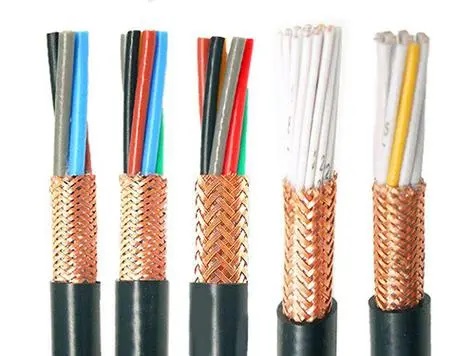
https://www.jiangyuancables.com/pvc-insulated-sheathed-control-cable/ shielded cables are used in avionics systems, communication systems, radar systems, and electronic warfare equipment to ensure secure and interference-free data transmission. Shielded cables are also used in military vehicles, naval vessels, and aircraft to provide robust connectivity and signal protection in demanding operational conditions.
5. Medical Equipment
In the healthcare industry, shielded cables are used in medical equipment and devices to ensure accurate monitoring, diagnostics, and treatment of patients. Shielded cables are essential for maintaining signal integrity and preventing interference in sensitive medical devices, such as MRI machines, ultrasound systems, patient monitoring systems, and surgical equipment.
The shielding in medical cables helps to minimize electromagnetic interference from nearby equipment, fluorescent lighting, and other sources that could affect the performance of medical devices. Shielded cables provide a reliable and safe connection for transmitting vital signals and data in critical healthcare applications.
Benefits of Versatile Shielded Cables
- Improved Signal Quality: Shielded cables help to maintain signal integrity and reduce signal distortion caused by electromagnetic interference, resulting in improved data transmission quality.
- Enhanced Reliability: Shielded cables offer increased protection against external interference, ensuring reliable operation of electronic devices and systems in challenging environments.
- Greater Noise Immunity: Shielded cables minimize electromagnetic noise and crosstalk, allowing for clear and accurate signal transmission in noisy industrial environments and high-traffic networking systems.
- Extended Lifespan: The durable construction of shielded cables ensures long-term performance and reliability, reducing the need for frequent maintenance or replacement of cables in demanding applications.
- Compliance with Industry Standards: Versatile shielded cables meet industry standards for signal integrity, electromagnetic compatibility, and safety, ensuring compatibility and interoperability with a wide range of systems and devices.
Conclusion
Versatile shielded cables play a critical role in ensuring reliable signal transmission, protecting against electromagnetic interference, and maintaining the performance of electronic systems in various industries. From telecommunications and industrial automation to automotive, aerospace, and healthcare applications, shielded cables offer a wide range of benefits and applications in diverse environments.
By understanding the importance of shielded cables and their specific advantages, engineers and designers can select the right cable solutions to meet the requirements of their unique applications. Whether it's improving network performance, enhancing industrial automation processes, or ensuring the safety and accuracy of medical equipment, shielded cables are an indispensable component of modern technology and infrastructure.